The Future of SEO for Local Businesses: Search Entities, AI, and Customer Intent

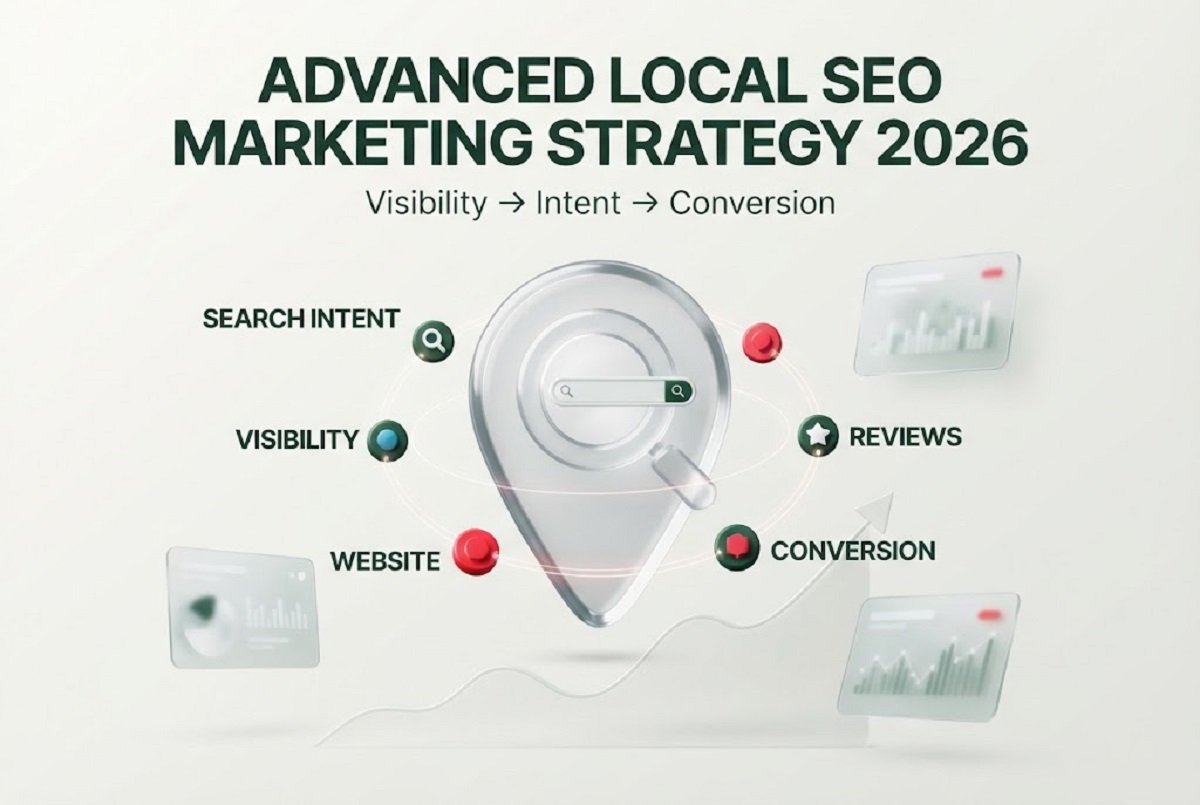
SEO for Local Businesses is evolving beyond traditional keyword optimization. Search engines are becoming better at understanding search entities, AI-generated context, and customer intent. As local search becomes more intelligent, businesses need to build a digital presence that clearly communicates who they are, what they offer, where they operate, and which customers they serve.
For businesses that depend on local customers, this shift creates a new opportunity. The future of SEO for Local Businesses is moving toward a more connected system where search engines understand what a business offers, who it serves, where it operates, and how well it matches a customer's needs.
AI is accelerating this change. Search platforms can now process more signals and interpret complex queries with greater context. As a result, businesses need to think beyond ranking for individual keywords and focus on building strong digital signals around their brand, services, and customer experience.
From Keywords to Search Entities
Keywords are still important, but modern search is increasingly entity-driven. This shift is changing how businesses approach SEO for Local Businesses.
An entity can represent a business, service, location, product, organization, or person. Search engines can connect these entities to understand relationships between different pieces of information.
For example, a local plumbing company may be associated with:
-
Plumbing services
-
Emergency plumbing
-
Water heater repair
-
A specific service area
-
Business reviews
-
Local business information
-
Website content
-
Business profiles
-
Industry-related entities
When these signals are consistent, search engines have more context about the business.
This means future SEO for Local Businesses will depend not only on using the right keywords but also on creating a strong and consistent entity footprint across the web.
Why Entity Consistency Matters
Search engines need confidence when identifying a business.
If a company has different names, phone numbers, service descriptions, or locations across important online sources, the relationship between those signals can become less clear.
A strong local search presence should communicate consistent information about:
-
Business identity
-
Primary services
-
Service areas
-
Physical location
-
Industry
-
Brand relationships
-
Customer experiences
Consistency does not mean copying the same text everywhere. Instead, businesses should maintain accurate and connected information across relevant digital properties.
For SEO for Local Businesses, this consistency helps create a clearer digital identity and gives search engines stronger contextual signals when determining whether a business is relevant to a particular local search.
AI Is Changing How Customers Search
AI is also changing customer behavior and creating new considerations for SEO for Local Businesses.
Instead of searching with short phrases such as “dentist near me,” customers may use longer and more specific questions:
-
“Who offers emergency dental care near downtown?”
-
“Which local dentist specializes in same-day appointments?”
-
“Where can I find a family dentist that accepts new patients?”
These searches contain more information about the customer's intent.
AI-powered search systems can interpret the meaning behind these questions instead of relying only on exact keyword matches.
For local businesses, this creates an important strategic shift.
Content should answer real customer questions and needs, not simply repeat target keywords. A successful local SEO strategy should provide useful information that matches the context behind different searches.
Customer Intent Is Becoming More Important
Search intent has always mattered in SEO, but its role is becoming more sophisticated. Understanding customer intent is now an important part of effective SEO for Local Businesses.
A customer searching for a local service may move through several stages:
Awareness → Research → Comparison → Decision → Action
Each stage creates different search behavior.
Someone researching a service may want educational information. Another person may already understand the problem and be comparing providers. A high-intent searcher may be looking for availability, pricing, location, or a way to contact the business.
A strong local search strategy should account for these different intent signals.
The goal is not simply to attract more traffic. It is to connect the right customer with the right information at the right stage of the buying journey.
The Role of AI in Local Search
AI can help search engines connect multiple signals before presenting results to users. This makes AI an increasingly important consideration for businesses developing SEO for Local Businesses strategies.
These signals may include:
-
Query context
-
Business information
-
Service relevance
-
Location
-
Website content
-
Reviews
-
Structured data
-
User behavior
-
Online business references
This does not mean businesses can optimize for one simple “AI ranking factor.” Search systems use many signals, and their exact weighting is not publicly disclosed.
Instead, businesses should focus on making their digital presence clear, useful, trustworthy, and consistent.
That approach is more sustainable than trying to manipulate individual ranking signals.
Local Content Will Become More Contextual
Traditional local content often focuses heavily on location-based phrases.
For example, a page may repeatedly target phrases such as:
“Plumber in New York”
“Best plumber in New York”
“New York plumbing services”
Modern search requires more depth.
A stronger page could explain the services offered, common customer problems, service areas, response expectations, relevant expertise, and situations where the service is needed.
This gives search engines more context while also giving customers more useful information.
The future of SEO for Local Businesses will increasingly favor content that demonstrates relevance rather than content created primarily to satisfy keyword frequency.
Reviews Are More Than Reputation Signals
Customer reviews can also contribute to the broader understanding of a business.
Reviews may naturally mention:
-
Services
-
Products
-
Locations
-
Customer experiences
-
Specific problems solved
-
Areas served
This creates additional contextual information around the business.
Businesses should therefore view reviews as part of their broader digital presence rather than treating them only as a reputation management task.
For businesses investing in SEO for Local Businesses, genuine customer experiences can provide valuable context about the services and outcomes associated with the brand.
The focus should remain on providing excellent customer experiences and making it easy for genuine customers to share honest feedback.
Structured Data Can Strengthen Business Understanding
Structured data can help search engines interpret information on a website.
For local businesses, relevant structured data may communicate information such as business type, location, services, and other appropriate details.
However, structured data is not a shortcut to higher rankings.
Its primary value is helping search engines understand the information already present on a page.
When structured data, visible content, business profiles, and other signals consistently describe the same business, the overall digital ecosystem becomes easier to interpret.
This makes structured data a useful supporting component of a broader SEO for Local Businesses strategy rather than a standalone ranking solution.
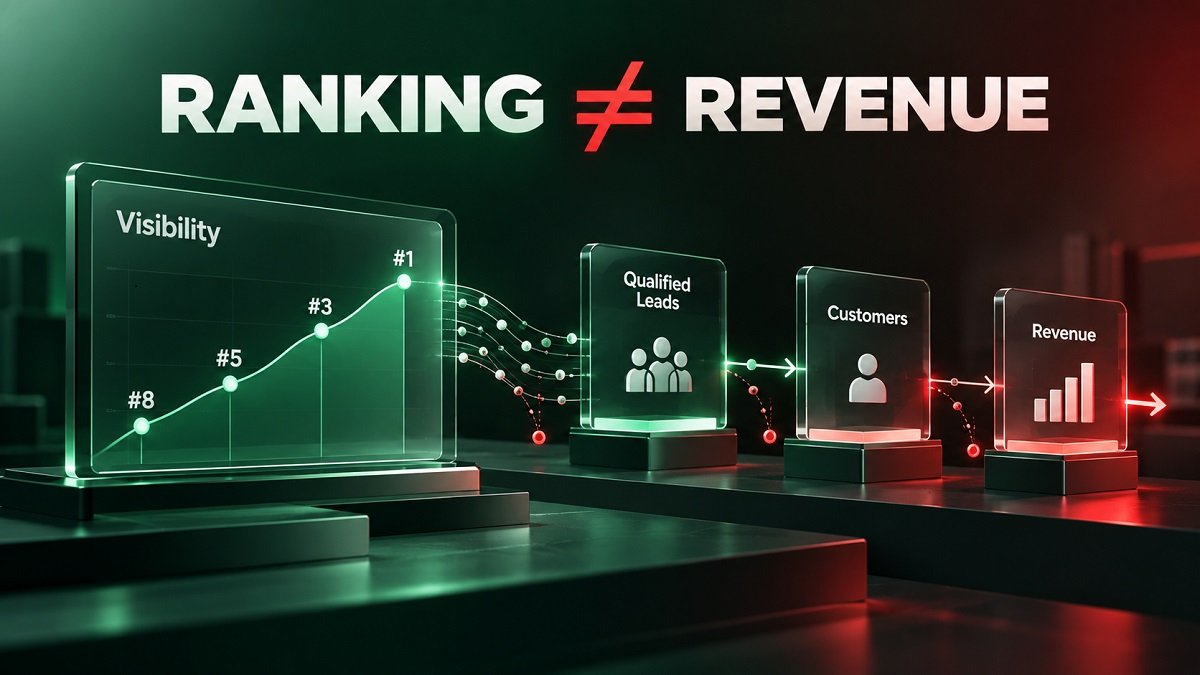
From Ranking Visibility to Customer Connections
The future of local SEO is not only about where a business appears in search results.
It is also about what happens after visibility is achieved.
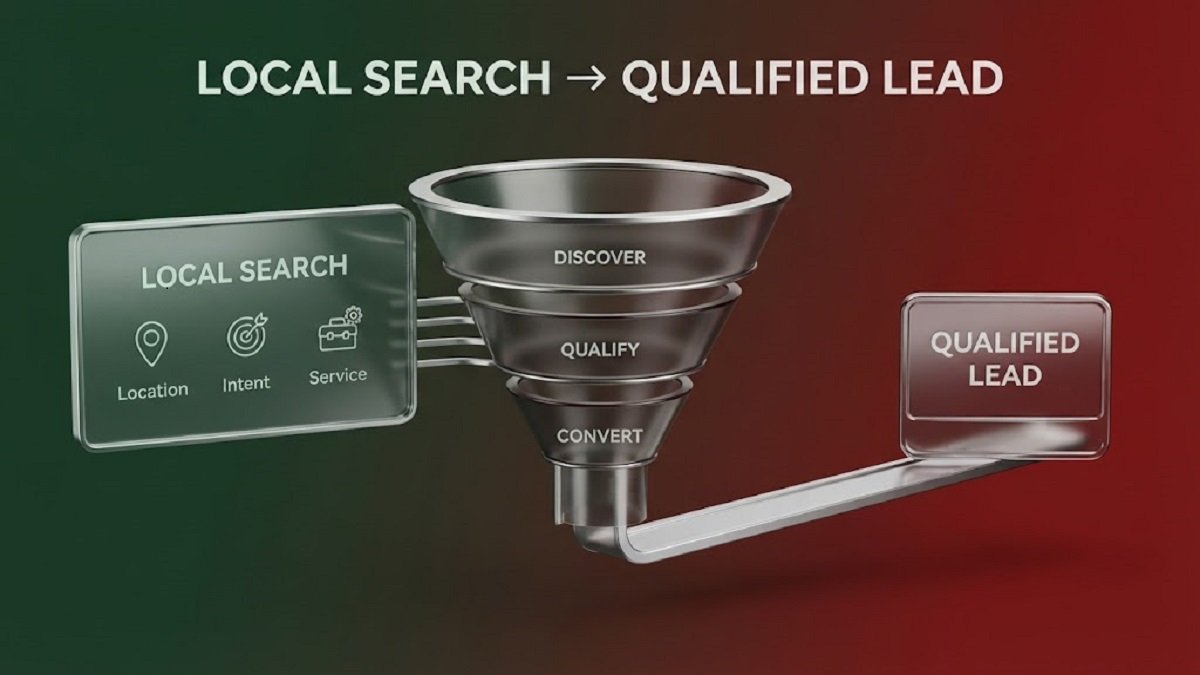
A local search journey can involve:
Search → Discovery → Evaluation → Website Visit → Contact → Conversion
Each stage matters.
A business may receive strong visibility but still generate weak results if its website does not answer customer questions, its service information is unclear, or the next action is difficult to find.
This is why businesses should connect local SEO strategy with the complete customer journey.
Effective SEO for Local Businesses should therefore consider both search visibility and what customers experience after they discover a business.
What Businesses Should Prepare for Next
Businesses preparing for the future should focus on several areas.
1. Build a Strong Entity Presence
Make the business identity, services, locations, and industry relationships clear across relevant digital platforms.
2. Create Intent-Focused Content
Develop content around the questions, problems, and decisions customers actually have.
3. Strengthen Local Relevance
Make service areas and location relationships clear without relying on repetitive location keywords.
4. Improve First-Party Information
Keep the website accurate, useful, and aligned with the services the business actually provides.
5. Monitor Customer Behavior
Look beyond rankings. Analyze which searches, pages, calls, and actions contribute to meaningful business outcomes.
6. Adapt to AI-Driven Search
Create content that is easy for both people and search systems to understand. Clear structure, useful answers, and strong context will become increasingly important for SEO for Local Businesses.
The Bigger Shift in Local SEO
The future of SEO for Local Businesses is moving from isolated optimization toward interconnected search intelligence.
Keywords still matter. Links still matter. Business profiles still matter. Reviews and website content still matter.
But their value becomes stronger when they work together to communicate one clear story about the business.
Search engines are becoming better at understanding who a business is, what it offers, where it operates, and which customers it can serve.
Businesses that build their digital presence around these connections will be better positioned to adapt as search continues to evolve.
The next generation of local search will be shaped by entities, AI, context, and customer intent.
Instead of asking only, “How can we rank for this keyword?” businesses should also ask:
“What does the search engine need to understand about our business, and what does the customer need to know before taking action?”
That shift creates a more complete approach to SEO for Local Businesses—one focused not only on search visibility, but also on relevance, trust, customer experience, and measurable business outcomes.