How Advanced Local SEO Services Lead Marketing Strategies Should Be Structured in 2026
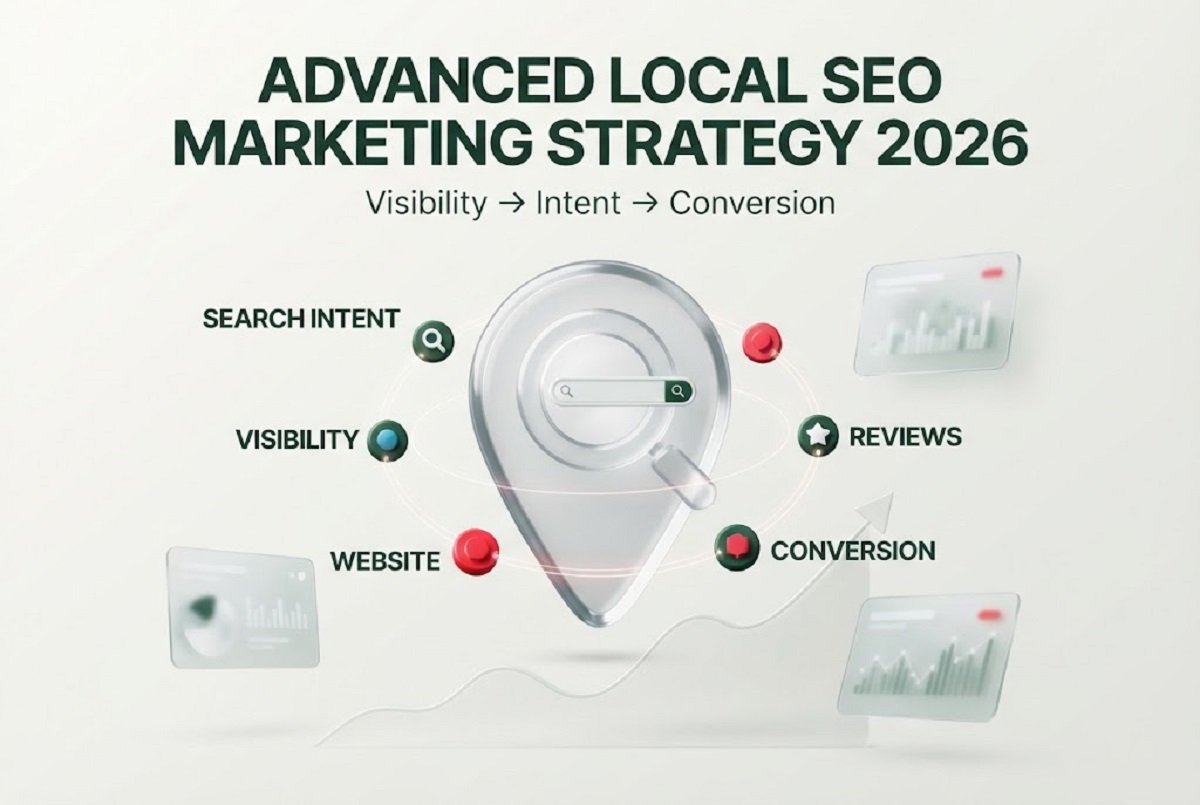
Advanced local SEO services are becoming an important part of modern marketing strategy in 2026. Local search is no longer only about appearing in Google Maps or ranking for a few local keywords. Businesses now need to connect local visibility with search intent, website performance, customer experience, reputation, and conversions.
This means advanced local SEO services need to do more than improve rankings.
They should connect search visibility with customer intent, website performance, reputation, content, and lead generation.
A strong local SEO strategy should help a business understand not only where it appears, but also why customers choose to engage with it.
What Are Advanced Local SEO Services?
Advanced local SEO services go beyond basic profile optimization and directory listings.
They focus on building a connected local search strategy around the way customers search, compare, and make decisions.
A modern strategy can include:
-
Google Business Profile optimization
-
Local keyword research
-
Search intent analysis
-
Local content strategy
-
Website optimization
-
Citation and business information management
-
Review strategy
-
Local link building
-
Competitor analysis
-
Location-based landing pages
-
Technical SEO
-
Conversion optimization
-
Performance tracking
The important difference is how these activities work together.
Instead of treating each task separately, an advanced strategy connects them to specific business goals.
1. Start With Business and Customer Goals
The first step should not be choosing keywords.
It should be understanding the business.
A local SEO strategy should consider:
-
What services generate the most value?
-
Which locations matter most?
-
Who is the target customer?
-
What problems are customers trying to solve?
-
What actions should visitors take?
-
Which services need more qualified leads?
This information creates a stronger foundation for local SEO.
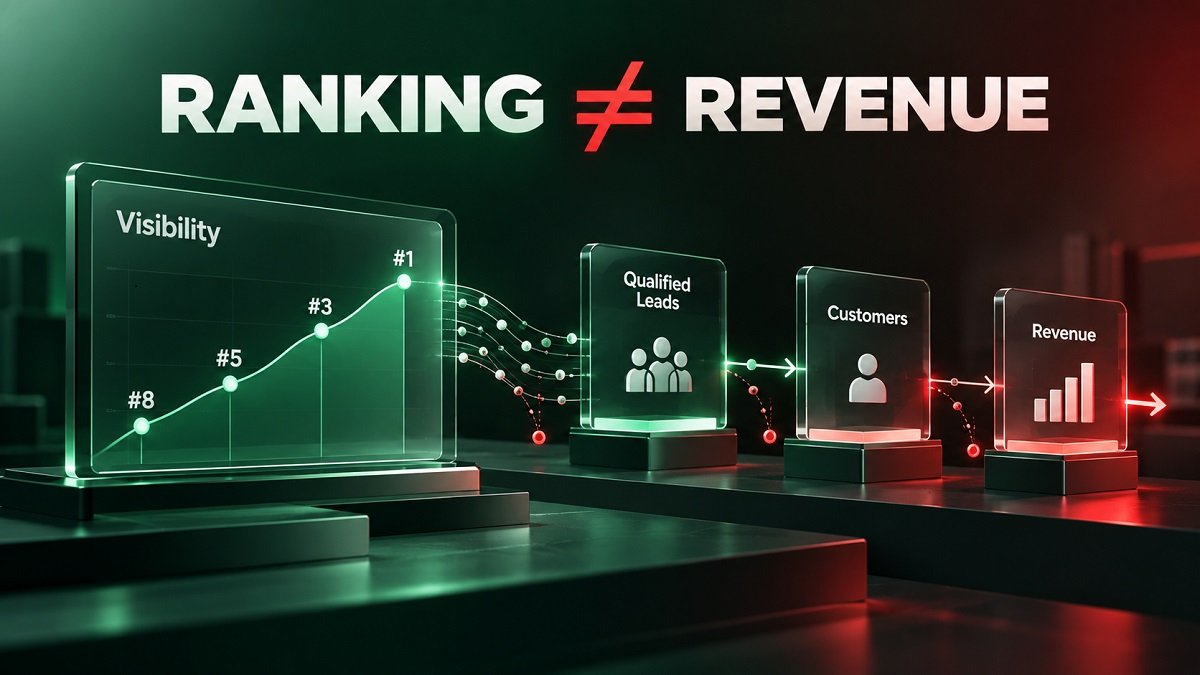
For example, a business may rank well for a broad local keyword but receive very few qualified inquiries.
Another business may have lower visibility but attract customers who are ready to book.
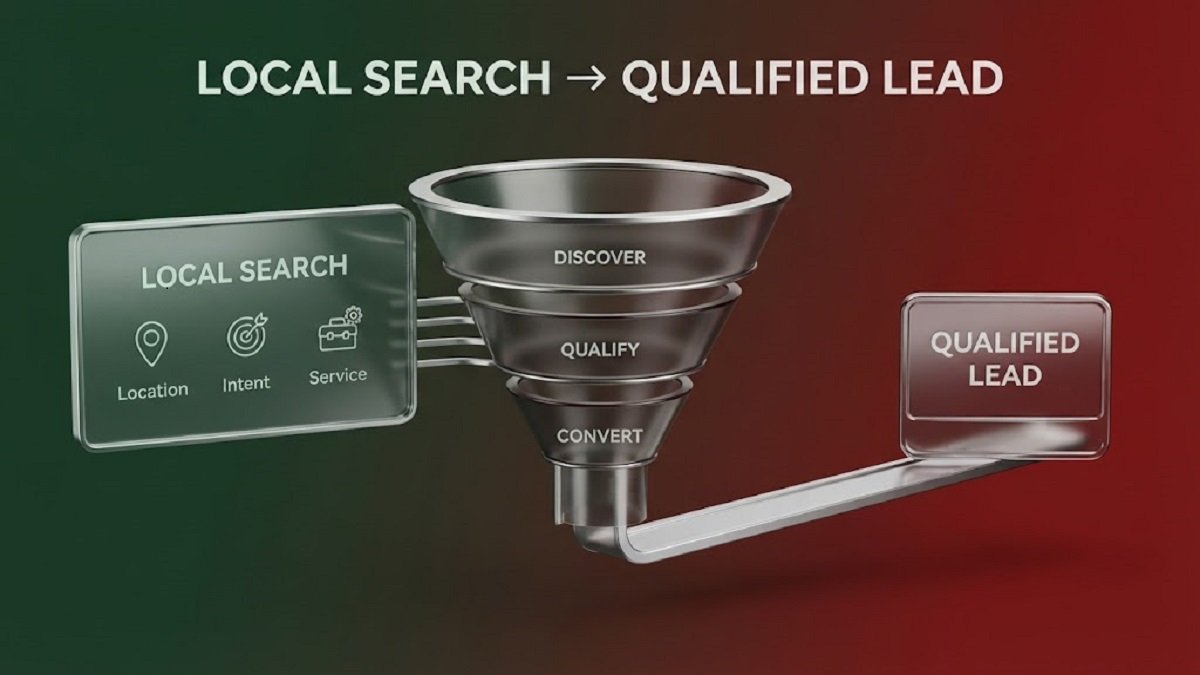
The strategy should therefore connect search visibility with business intent.
2. Build Around Local Search Intent
Keywords alone do not explain why someone searches.
Search intent provides more context.
A person searching for “dentist near me” may be looking for immediate help. Someone searching for “best family dentist in Brooklyn” may be comparing options.
These searches represent different stages of the customer journey.
Advanced local SEO services should organize content and optimization around these differences.
A useful framework can include:
Discovery Intent
The customer is learning about available options.
Comparison Intent
The customer is comparing businesses, services, prices, reviews, or features.
Action Intent
The customer is ready to call, visit, book, request a quote, or make a purchase.
Understanding these stages helps marketers create more relevant pages and content.
3. Treat Google Business Profile as Part of a Larger System
Google Business Profile is an important part of local search visibility.
However, it should not operate as an isolated marketing asset.
Its information should align with the business website and other trusted business references.
Important areas include:
-
Business name
-
Address
-
Phone number
-
Business category
-
Services
-
Business description
-
Website
-
Hours
-
Photos
-
Reviews
-
Relevant updates
Consistency helps create a clearer business identity across the local search ecosystem.
The goal is not simply to complete a profile.
The goal is to create a consistent and useful experience for both searchers and search engines.
4. Make the Website Support Local Search
A strong local presence needs more than a well-optimized business profile.
The website should clearly communicate:
-
What the business offers
-
Where it operates
-
Who it serves
-
Why customers should consider it
-
How customers can take the next step
Service pages should be useful and specific.
Location pages should provide genuine local value instead of repeating the same content with different city names.
For businesses serving multiple areas, a structured local website can help connect services with relevant locations.
This is where advanced local SEO services can become closely connected with website strategy.
5. Create Content Around Real Customer Questions
Local content should not exist only to target keywords.
It should answer questions customers actually have.
For example, instead of creating a generic article about a service, a local business could create content around:
-
How much does the service usually cost?
-
What should customers look for?
-
How long does the process take?
-
What questions should customers ask?
-
What problems can the service solve?
-
When should someone contact a professional?
This approach can make content more useful while creating additional opportunities to target relevant local searches.
6. Connect Reviews With Reputation Strategy
Reviews influence how customers evaluate local businesses.
A strong review strategy should focus on creating a consistent process for requesting, monitoring, and responding to customer feedback.
Businesses should avoid treating reviews as a one-time SEO task.
Instead, reputation management should become part of the broader customer experience.
Responses should be professional, relevant, and helpful.
Negative feedback can also provide useful information about potential customer concerns.
The marketing team can use these insights to identify areas where the website, service pages, FAQs, or customer communication could be improved.
7. Use Competitor Analysis for Strategic Insights
Competitor analysis should go beyond checking who ranks first.
A deeper analysis can examine:
-
Services competitors emphasize
-
Content topics they cover
-
Local pages they create
-
Review patterns
-
Website structure
-
Search visibility
-
Conversion opportunities
-
Local authority signals
The purpose is not to copy competitors.
Instead, it is to identify gaps and opportunities.
For example, competitors may have strong visibility but weak service information.
Another competitor may have excellent content but a poor conversion experience.
These gaps can help shape a more complete local marketing strategy.
8. Connect Local SEO With Conversion Strategy
Traffic is not the final goal.
A local SEO strategy should help move people from search to action.
Important conversion points can include:
-
Phone calls
-
Contact forms
-
Quote requests
-
Appointment bookings
-
Store visits
-
Direction requests
-
Online purchases
Website pages should make these actions clear.
A visitor should not have to search through several pages to understand what to do next.
This creates an important connection between SEO and conversion optimization.
9. Use Data to Improve the Strategy
Advanced local SEO should be measured continuously.
Useful performance indicators can include:
-
Local search visibility
-
Organic traffic
-
Search impressions
-
Relevant keyword visibility
-
Website engagement
-
Phone calls
-
Form submissions
-
Appointment requests
-
Conversion rates
-
Review growth
-
Revenue-related outcomes
The exact metrics will depend on the business.
The important point is to avoid measuring success only through rankings.
A ranking can be useful, but the larger question is whether local search is helping the business attract relevant customers.
10. Build a Continuous Optimization Process
Local SEO should not be treated as a campaign that ends after a few months.
Search behavior changes.
Customer expectations change.
Competitors change.
Business priorities change.
A strong strategy should therefore include regular reviews and improvements.
This can involve:
-
Reviewing performance data
-
Identifying opportunities
-
Updating important pages
-
Improving underperforming content
-
Monitoring competitors
-
Reviewing customer feedback
-
Testing conversion elements
-
Refining the local strategy
This creates a continuous optimization cycle.
The New Role of Local SEO in Marketing
In 2026, local SEO can play a much broader role in digital marketing.
It can provide insights into what customers want, where demand exists, which services receive attention, and what questions customers ask before contacting a business.
That information can support other marketing channels as well.
For example, local search insights can influence:
-
Content marketing
-
Paid advertising
-
Social media campaigns
-
Website development
-
Email marketing
-
Reputation management
-
Sales messaging
This makes local SEO more than a visibility channel.
It can become a source of customer and market intelligence.
A Practical Structure for Advanced Local SEO Services
A well-structured service strategy can be organized into five connected layers.
Layer 1: Research
Understand the market, customers, competitors, services, and locations.
Layer 2: Local Visibility
Optimize business profiles, website pages, local signals, and relevant content.
Layer 3: Customer Experience
Make search results, landing pages, reviews, and contact paths useful and consistent.
Layer 4: Conversion
Turn qualified local visitors into calls, inquiries, bookings, visits, or purchases.
Layer 5: Measurement
Track performance and use the data to improve the strategy.
This structure creates a clearer relationship between SEO activity and marketing outcomes.
Common Mistakes to Avoid
Even advanced strategies can lose effectiveness when the fundamentals are ignored.
Common problems include:
-
Focusing only on rankings
-
Creating thin location pages
-
Publishing content without a clear audience
-
Ignoring search intent
-
Using inconsistent business information
-
Treating reviews as an isolated task
-
Building links without relevance
-
Ignoring website conversions
-
Measuring traffic without business outcomes
-
Using the same strategy for every location
A better approach is to build the strategy around the individual business and its customers.
Final Takeaway
The structure of advanced local SEO services is changing.
Local SEO should no longer be viewed as a collection of isolated tasks such as keyword optimization, profile updates, citations, and link building.
Instead, it should work as an integrated marketing system.
The strongest structure connects local visibility, search intent, website experience, reputation, content, conversions, and measurement.
When these elements work together, local SEO becomes more closely connected to the broader marketing strategy.
And that is the direction businesses should consider when building a local search strategy for 2026 and beyond.