Local SEO for Small Businesses: 2026 Strategy
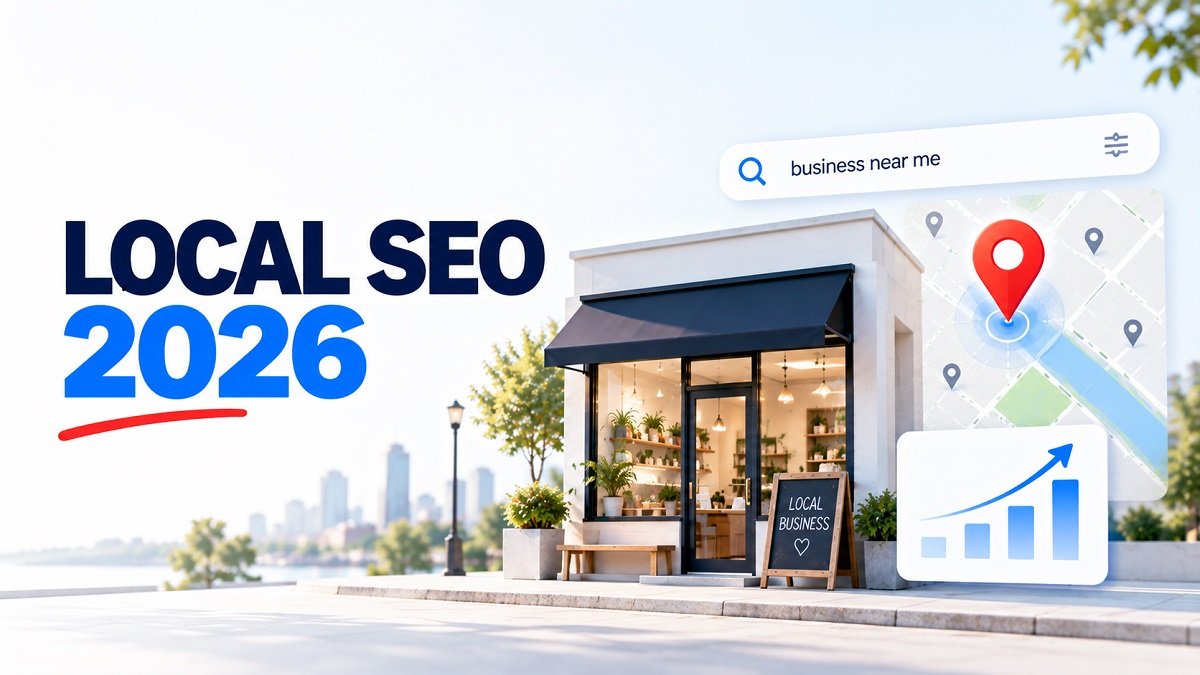
For small businesses, being visible in local search can make it easier for nearby customers to find your products or services. Local SEO for small businesses focuses on improving your online presence so your business can appear in relevant Google Search and Google Maps results.
A strong local SEO for small businesses strategy is not about using as many keywords as possible. It is about providing accurate business information, creating useful local content, maintaining a trustworthy online presence, and making it easy for customers to contact or visit your business.
A well-planned local SEO for small businesses strategy can help you reach customers who are actively looking for nearby products or services. It also helps create a stronger connection between your website, Google Business Profile, and local audience.
What Is Local SEO?
Local SEO is the process of improving a business's online presence for searches connected to a specific location.
For example, someone may search for:
-
"coffee shop near me"
-
"local plumber in New York"
-
"best dental clinic near me"
-
"digital marketing agency in Brooklyn"
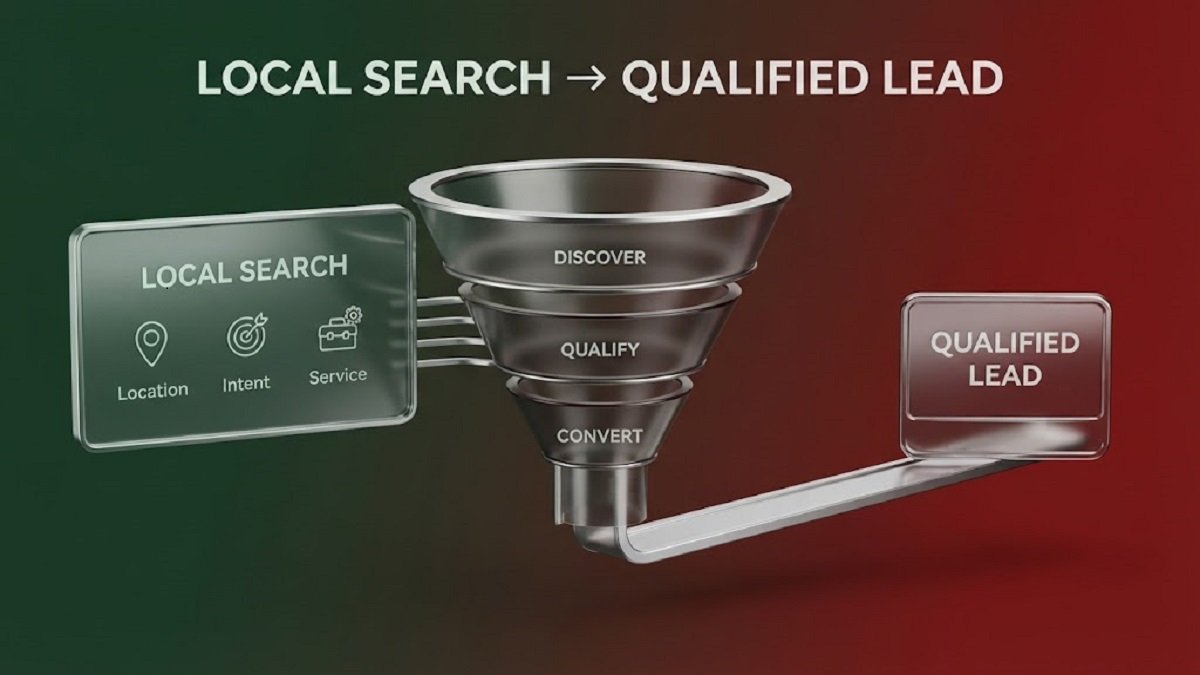
Google uses different signals to determine which local businesses are relevant to a search. Local SEO helps businesses improve their visibility by making their services, location, and business information easier to understand.
This makes local SEO for small businesses especially useful for companies that serve customers in a specific city, neighborhood, or service area.
Why Local SEO Matters for Small Businesses
Small businesses often compete with larger brands for online attention. Local SEO for small businesses can help companies connect with people who are already looking for nearby products and services.
When your business information is clear and accurate, potential customers can more easily find:
-
Your business location
-
Phone number
-
Website
-
Business hours
-
Services
-
Customer reviews
-
Photos and other useful information
Your Google Business Profile can appear in both Google Search and Google Maps. This makes it an important part of a local SEO for small businesses strategy.
1. Optimize Your Google Business Profile
One of the first steps in local SEO for small businesses is creating and maintaining an accurate Google Business Profile.
Make sure your profile includes:
-
The correct business name
-
Accurate address or service area
-
Current phone number
-
Business hours
-
Primary business category
-
Relevant business attributes
-
Website URL
-
High-quality photos
Complete and accurate information makes it easier for customers to understand your business. It also gives Google useful information about your company and the areas you serve.
When working on local SEO for small businesses, do not add unnecessary keywords to your Business Profile. Focus on accuracy, clarity, and useful information.
2. Choose the Right Business Category
Your business category helps Google understand what your business does.
Choose the category that most accurately represents your main service or business type. If your business offers several services, use additional categories only when they genuinely describe your business.
Choosing the right category is an important part of local SEO for small businesses because it helps establish what your business is relevant for in local search.
Avoid choosing unrelated categories simply because you believe they may bring more traffic. Relevance should always come first.
3. Keep Your Business Information Consistent
Your business name, address, and phone number should be accurate across your website and other important online listings.
Check your information regularly for:
-
Incorrect phone numbers
-
Old addresses
-
Outdated business hours
-
Duplicate listings
-
Incorrect website links
Consistent information creates a clearer online presence. It can also make it easier for customers to trust and contact your business.
For local SEO for small businesses, keeping important business information updated should be an ongoing task rather than a one-time activity.
4. Create Location-Focused Website Content
Your website should clearly explain where you serve customers and what services you provide.
For example, a local marketing agency could create pages such as:
-
Local SEO Services in New York
-
SEO Services in Brooklyn
-
Local Marketing for Small Businesses
-
Google Maps Optimization Services
However, each page should provide useful information instead of simply repeating the same location keyword.
Write about local customer needs, services, frequently asked questions, and problems your business can solve.
This approach makes your website more useful and supports your overall local SEO for small businesses strategy.
5. Build a Strong Local Keyword Strategy
Keyword research helps you understand how potential customers search for your products or services.
Instead of targeting only broad terms, consider combining your service with a relevant location.
For example:
Service + Location
-
local SEO services New York
-
plumber in Chicago
-
coffee shop Brooklyn
Service + Near Me
-
SEO agency near me
-
dentist near me
-
pet store near me
You do not need to force "near me" into every page. Google can use location information to understand local intent.
The goal of local SEO for small businesses is to create content that naturally answers what local customers are searching for.
Use local keywords where they make sense, but always write for people first.
6. Build Helpful Local Content
Content can support your local SEO for small businesses strategy by answering questions that matter to people in your service area.
You could publish:
-
Local buying guides
-
Service-area guides
-
Local FAQs
-
Neighborhood-focused resources
-
Customer education articles
-
Local industry updates
For example, a roofing company could publish an article about preparing homes for seasonal weather in its service area.
A local restaurant could publish content about popular menu choices, local events, or food-related questions from customers.
Useful content gives visitors a reason to stay on your website. It can also help search engines better understand your services and location.
7. Encourage Genuine Customer Reviews
Reviews are an important part of a local business's online presence.
Ask satisfied customers to leave honest reviews on your Google Business Profile. Make the process simple by providing a direct review link when appropriate.
You should also respond to reviews professionally. Thank customers for positive feedback and respond thoughtfully to genuine concerns.
For local SEO for small businesses, genuine customer feedback can also help build trust with people who are comparing local companies.
Never create fake reviews or offer misleading incentives for positive feedback. Focus on genuine customer experiences and professional service.
8. Add High-Quality Photos and Videos
Visual content can make your Business Profile more useful to potential customers.
Depending on your business, consider adding:
-
Storefront photos
-
Interior photos
-
Product photos
-
Team photos
-
Service photos
-
Before-and-after images
-
Short videos
High-quality visual content can give potential customers a better understanding of your business before they contact or visit you.
Adding relevant photos is therefore another useful step in local SEO for small businesses, especially for businesses where appearance, location, products, or physical facilities matter.
9. Earn Relevant Local Links
Links from other relevant websites can help strengthen your online presence.
Small businesses can look for opportunities such as:
-
Local business directories
-
Community organizations
-
Local news websites
-
Industry associations
-
Local events
-
Business partnerships
The focus should be on relevance and quality rather than collecting as many links as possible.
For local SEO for small businesses, a few relevant local connections can be more useful than large numbers of unrelated links.
You can also build relationships with local organizations, suppliers, community groups, and industry websites that are genuinely connected to your business.
10. Make Your Website Mobile-Friendly
Many local searches happen when people are looking for a business while they are away from home.
Your website should therefore work well on smartphones and tablets.
Check that:
-
Pages load quickly
-
Text is easy to read
-
Buttons are easy to tap
-
Contact information is easy to find
-
Maps and directions work correctly
-
Forms are simple to complete
A smooth mobile experience can make it easier for visitors to take the next step after finding your business.
Mobile optimization should be part of every local SEO for small businesses strategy because local customers may search, compare, call, and visit from their mobile devices.
11. Improve Your Local On-Page SEO
Each important service or location page should have a clear SEO structure.
Pay attention to:
-
SEO title
-
Meta description
-
Main heading
-
Subheadings
-
URL
-
Internal links
-
Image alt text
-
Relevant local keywords
Use your main keyword naturally throughout the page. Include related terms where they improve clarity and context.
For local SEO for small businesses, on-page optimization should support the user experience rather than make the content feel repetitive.
Avoid repeating the same keyword in every sentence. Natural language is easier for people to read and keeps your content useful.
12. Track Your Local SEO Progress
SEO requires ongoing improvement. Track important signals to understand what is working.
You can monitor:
-
Organic website traffic
-
Local search visibility
-
Google Business Profile interactions
-
Phone calls
-
Website clicks
-
Direction requests
-
Review activity
-
Leads and conversions
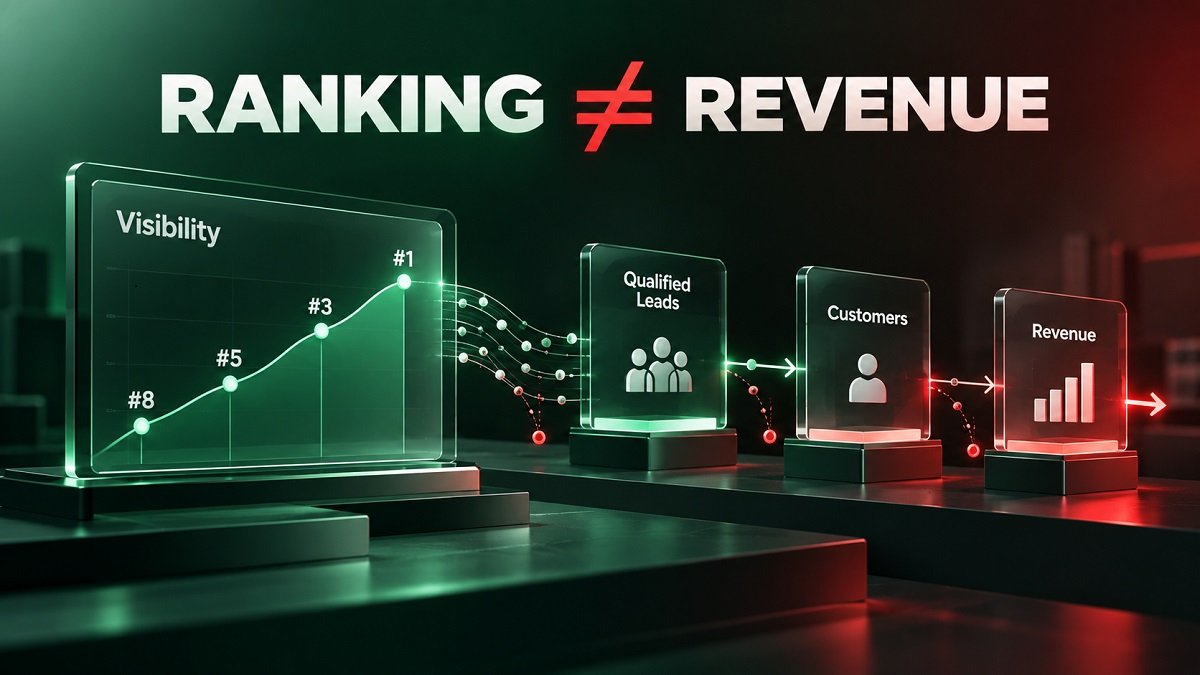
Do not judge your local SEO for small businesses strategy only by one keyword position. Local results can vary based on factors such as the searcher's location and the specific search.
Regular tracking helps you identify which pages, services, and locations generate the most interest.
You can then update your website content, Business Profile, and marketing activities based on real customer behavior.
A Simple Local SEO Plan for 2026
If you are just starting with local SEO for small businesses, use this simple process:
Step 1: Verify and complete your Google Business Profile.
Step 2: Make sure your business information is accurate.
Step 3: Choose the most relevant business category.
Step 4: Research local search terms related to your services.
Step 5: Improve your main service and location pages.
Step 6: Publish helpful local content regularly.
Step 7: Encourage genuine customer reviews.
Step 8: Add useful photos and videos.
Step 9: Build relevant local links and business citations.
Step 10: Track results and improve your strategy over time.
Following these steps can give small businesses a practical foundation for improving their local online presence.
Common Local SEO Mistakes to Avoid
Small businesses can waste time and resources by using shortcuts that do not create long-term value.
When implementing local SEO for small businesses, avoid:
-
Keyword stuffing
-
Fake reviews
-
Duplicate business listings
-
Incorrect business information
-
Creating low-quality location pages
-
Buying irrelevant backlinks
-
Ignoring negative customer feedback
-
Letting business hours become outdated
Do not try to manipulate local search results by adding unnecessary keywords or creating low-quality pages.
Instead, focus on accurate information, useful content, genuine customer experiences, and a consistent online presence.
There is also no need to pay for a guaranteed local ranking. A sustainable local SEO for small businesses strategy should focus on improving relevance, visibility, and customer experience rather than relying on shortcuts.
A practical local SEO for small businesses strategy starts with the basics: accurate business information, a complete Google Business Profile, useful website content, genuine reviews, and a strong local presence.
You do not need to change everything at once. Start with your Business Profile and website, fix inaccurate information, create useful local content, and track your results.
As you improve your local SEO for small businesses strategy, focus on the needs of your local customers. Make it easy for them to understand what you offer, where you serve, how they can contact you, and why your business is relevant to their needs.
Most importantly, focus on helping local customers find the right information at the right time. A consistent and customer-focused approach can create a stronger foundation for local search visibility throughout 2026.