
A Data-Driven Framework for Google Local Services Rankings, Lead Likelihood, and Local SEO Attribution
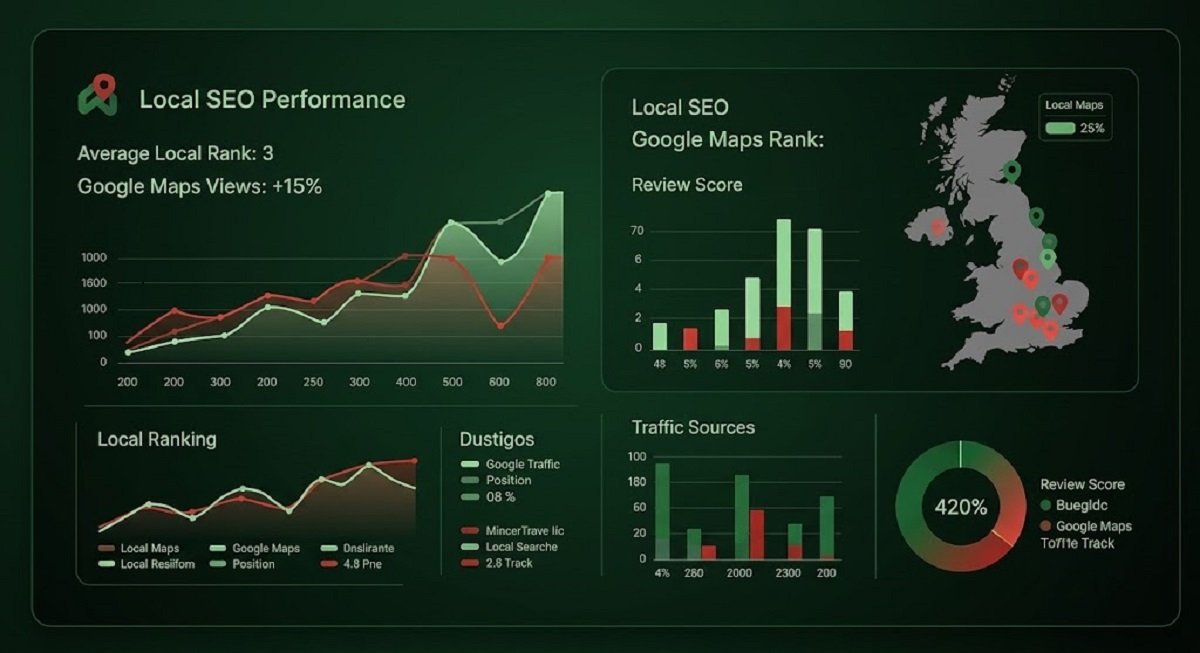
Businesses need more than visibility to generate consistent local leads. Google Local Services Rankings can influence how easily potential customers discover a service provider, but ranking position alone does not explain lead quality or conversions. A data-driven approach connects local search visibility with lead likelihood and local SEO attribution, helping businesses understand what contributes to meaningful customer actions.
Local service businesses need more than visibility to grow. Appearing in Google Local Services results is important, but ranking alone does not always explain why some businesses generate more qualified leads than others. A data-driven approach can help businesses understand the connection between Google Local Services rankings, lead likelihood, and local SEO attribution.
By analyzing ranking signals, search behavior, lead quality, and conversion data together, businesses can make better decisions about their local SEO strategy. Instead of focusing only on where a business appears, this framework looks at what happens after a potential customer discovers the business.
Understanding Google Local Services Rankings
Google Local Services rankings can influence how often a business is discovered by customers searching for nearby services. Visibility can depend on several factors, including relevance, proximity, business information, reviews, responsiveness, and other signals associated with the local service experience.
However, ranking position should not be treated as the only performance indicator. A business may receive strong visibility but generate fewer qualified leads if its service offering, location, reputation, or customer experience does not match the searcher's needs.
This is why businesses should evaluate Google Local Services rankings alongside actual customer engagement and lead outcomes.
Connecting Rankings With Lead Likelihood
Not every search has the same potential to become a customer. Lead likelihood refers to the probability that a search interaction will result in a meaningful business inquiry, call, booking, or other conversion.
Several factors can influence lead likelihood:
-
Search intent
-
Service relevance
-
Customer location
-
Business reputation
-
Review quality and quantity
-
Response speed
-
Service availability
-
Landing page experience
-
Accuracy of business information
For example, someone searching for a specific service in a nearby area may have stronger purchase intent than someone conducting a broad informational search. Understanding these differences allows businesses to analyze local search performance beyond simple impressions or ranking positions.
The Role of Local SEO Attribution
Local SEO attribution helps businesses understand how local search activity contributes to leads and customers. Without proper attribution, it can be difficult to determine whether a phone call, form submission, booking, or store visit was influenced by local search visibility.
A practical attribution framework can connect different stages of the customer journey:
Search → Local Visibility → Engagement → Lead → Conversion
This approach gives businesses a clearer view of how local SEO contributes to measurable business outcomes.
Building a Data-Driven Local SEO Framework
A useful framework should combine ranking data with behavioral and conversion data. Instead of analyzing individual metrics in isolation, businesses can organize their data into several key areas.
1. Ranking and Visibility Data
Track where your business appears for important local service searches. Monitor changes over time and compare visibility across services and locations.
2. Search Intent Data
Identify the types of searches that bring potential customers to your business. Understanding whether users are looking for information, comparing providers, or ready to contact a service provider can improve targeting.
3. Lead Quality Data
Measure more than the number of leads. Analyze whether leads are relevant, qualified, and connected to the services your business actually provides.
4. Conversion Data
Track what happens after a lead is generated. Calls, forms, bookings, consultations, and completed purchases can provide stronger performance signals than visibility metrics alone.
5. Attribution Data
Connect local search interactions with downstream outcomes whenever possible. This helps identify which local SEO activities are associated with meaningful business results.
"A data-driven approach connects ranking visibility, search intent, lead quality, conversion behavior, and local SEO attribution."
Why Ranking Position Is Not the Whole Story
A higher ranking can increase visibility, but visibility does not automatically equal revenue. Businesses should consider the complete customer journey when evaluating local search performance.
For example, two businesses may have similar visibility but different lead volumes. Differences in reviews, service relevance, location, response time, website experience, or customer intent may help explain the gap.
This is where combining Google Local Services rankings with lead and attribution data becomes valuable.
Creating Better Local SEO Decisions With Data
A data-driven framework can help businesses identify patterns that are difficult to see from ranking reports alone. If rankings improve but qualified leads remain unchanged, the business may need to examine search intent, service relevance, conversion experience, or lead quality.
Likewise, if qualified leads increase without a major ranking change, other factors may be contributing to performance.
The goal is not simply to chase higher rankings. The goal is to understand how local visibility connects with real customer actions.
Turning Local Search Data Into Better Decisions
Google Local Services rankings, lead likelihood, and local SEO attribution should be evaluated as connected parts of the same customer journey. Ranking data can show where a business is visible, while lead and attribution data can help explain what that visibility produces.
By bringing these data points together, local businesses can build a more complete understanding of their search performance and make more informed decisions about where to focus their local SEO efforts.