Google Local Services Ranking: A Data-Driven Look at the Signals That Matter
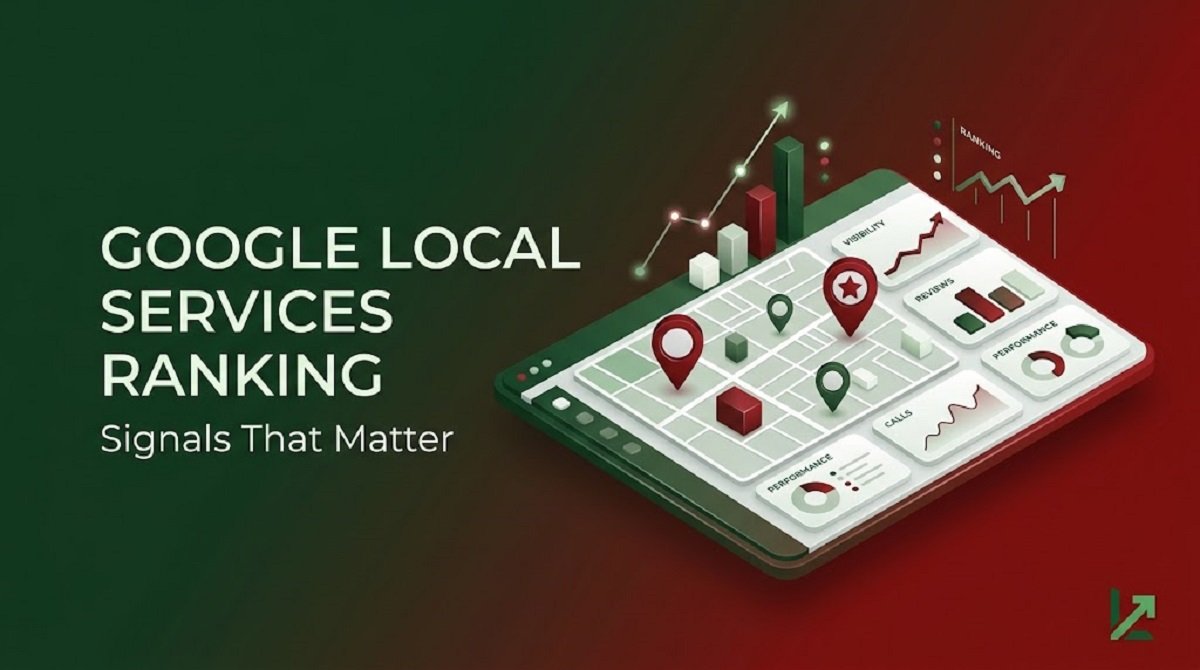
When customers search for local businesses, appearing near the top of Google can make a major difference. A strong Google Local Services Ranking can help a business attract more calls, messages, website visits, and qualified local customers.
But what actually affects local rankings?
Google considers several signals when deciding which local businesses to show for a search. These signals can include relevance, distance, prominence, business information, reviews, and the overall quality of a business's online presence.
Understanding these factors can help businesses build a more effective local SEO strategy and improve their visibility in local search results.
What Is Google Local Services Ranking?
Google Local Services Ranking refers to how prominently a local business appears when people search for products or services in a specific area.
For example, someone may search for:
-
Plumber near me
-
Dentist in New York
-
Local SEO agency
-
Coffee shop near me
-
Web design company in Brooklyn
Google uses different signals to determine which businesses are most relevant to the search.
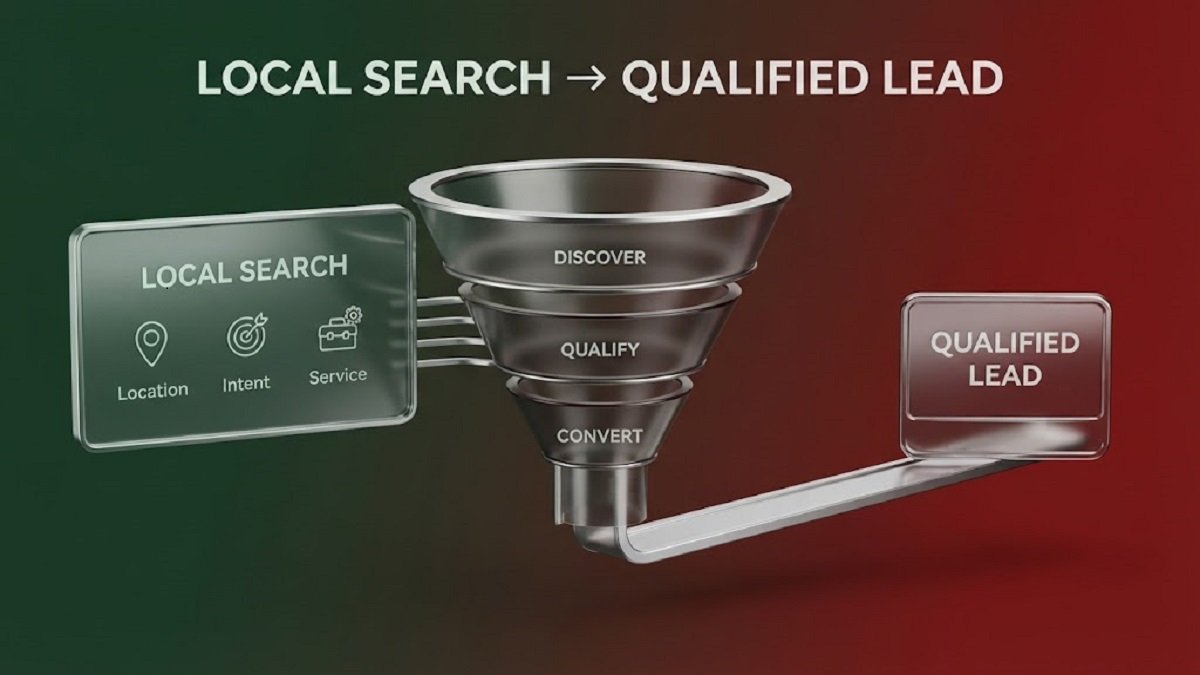
The goal is to provide users with useful local results based on their search intent and location.
For businesses, this means that local visibility is not based on a single ranking factor. Instead, multiple signals work together.
The Three Core Signals Behind Local Rankings
Google has explained that local results are mainly influenced by relevance, distance, and prominence.
These three concepts provide a useful foundation for understanding Google Local Services Ranking.
1. Relevance
Relevance measures how closely a business matches what the customer is searching for.
If someone searches for "Italian restaurant in Manhattan," Google wants to show businesses that actually provide Italian food and serve the relevant area.
Your business information should clearly explain:
-
What services you provide
-
What products you offer
-
Which business categories describe your company
-
Which locations or service areas you serve
Accurate and complete information can help Google understand your business.
For example, a digital marketing agency should clearly identify its services rather than using vague descriptions.
The better Google understands your business, the easier it is to connect your business with relevant searches.
2. Distance
Distance is another important part of local search.
Google may consider how close a business is to the location associated with a search.
For searches that include a specific location, Google can use that location to help determine which businesses are nearby.
For example, a person searching for "coffee shop near me" may receive different results depending on where they are searching from.
This is one reason why local rankings can vary from one neighborhood to another.
A business may rank strongly in one area but appear lower in another location.
Businesses cannot completely control this factor. However, they can make sure their business address and service-area information are accurate and consistent.
3. Prominence
Prominence relates to how well-known and established a business appears to be.
Google can use different signals to understand a business's prominence online.
These may include:
-
Online reviews
-
Links from other websites
-
Mentions of the business
-
Overall online presence
-
Business information across the web
A business with a strong online presence may have more signals supporting its local visibility.
This is where a well-planned local SEO strategy becomes important.
Why Google Business Profile Matters
A complete and accurate Google Business Profile is an important part of local search optimization.
Your profile should contain accurate information about your business, including:
-
Business name
-
Address
-
Phone number
-
Website
-
Business category
-
Business hours
-
Services
-
Photos
Keep this information updated.
If your business changes its hours, location, phone number, or services, update your profile as soon as possible.
Accurate information creates a better experience for customers and helps search engines understand your business.
Reviews Can Influence Local Visibility
Customer reviews are another important part of a local business's online presence.
Reviews can help potential customers understand what other people experienced with your business.
Businesses should encourage genuine customers to leave honest reviews after using their products or services.
However, businesses should avoid shortcuts such as buying reviews or creating fake feedback.
Instead, focus on delivering a good customer experience and making it easy for real customers to share their experiences.
Responding to reviews can also help businesses communicate with customers and demonstrate that they pay attention to feedback.
Website Relevance Still Matters
Your Google Business Profile is important, but your website can also support your local search strategy.
Your website should clearly communicate:
-
Your primary services
-
Your business locations
-
Your target service areas
-
Your contact information
-
Important information about your products or services
Create useful pages that answer real customer questions.
For example, a local web design company could create pages explaining its web design services, industries served, and local service areas.
Avoid creating pages simply to repeat keywords.
Instead, write content that provides useful information to people who may become customers.
Consistent Business Information
Consistency is another important part of local SEO.
Your business name, address, and phone number should be accurate across important online platforms.
Inconsistent information can create confusion for customers and search engines.
Check your business information across:
-
Your website
-
Google Business Profile
-
Local directories
-
Industry websites
-
Social media profiles
If you discover outdated information, update it.
Keeping your business information accurate is a simple but valuable part of maintaining a strong local search presence.
Local Links and Business Mentions
Links from relevant websites can support a business's online authority.
For a local business, relevant links may come from:
-
Local organizations
-
Industry publications
-
Business associations
-
Community websites
-
Local news websites
-
Relevant business directories
Quality matters more than simply collecting a large number of links.
A relevant mention from a trusted website can be more useful than a large collection of unrelated links.
Businesses should focus on earning natural and relevant links rather than using aggressive link-building tactics.
Location-Specific Content
Creating useful local content can also support your overall search strategy.
For example, a business serving New York could create content related to:
-
Local customer needs
-
Services available in specific areas
-
Local industry trends
-
Frequently asked questions
-
Neighborhood-specific information
The content should provide real value.
Simply adding city names repeatedly to a page does not create useful local content.
Instead, explain how your products or services help customers in the areas you serve.
Track Rankings From Multiple Locations
One important point about Google Local Services Ranking is that rankings are not always identical everywhere.
A business can appear in different positions depending on the searcher's location.
For this reason, checking your ranking from only one location may not provide a complete picture.
Businesses can monitor local visibility across important service areas and compare changes over time.
Track useful metrics such as:
-
Local search visibility
-
Website traffic
-
Phone calls
-
Direction requests
-
Website clicks
-
Customer inquiries
-
Review growth
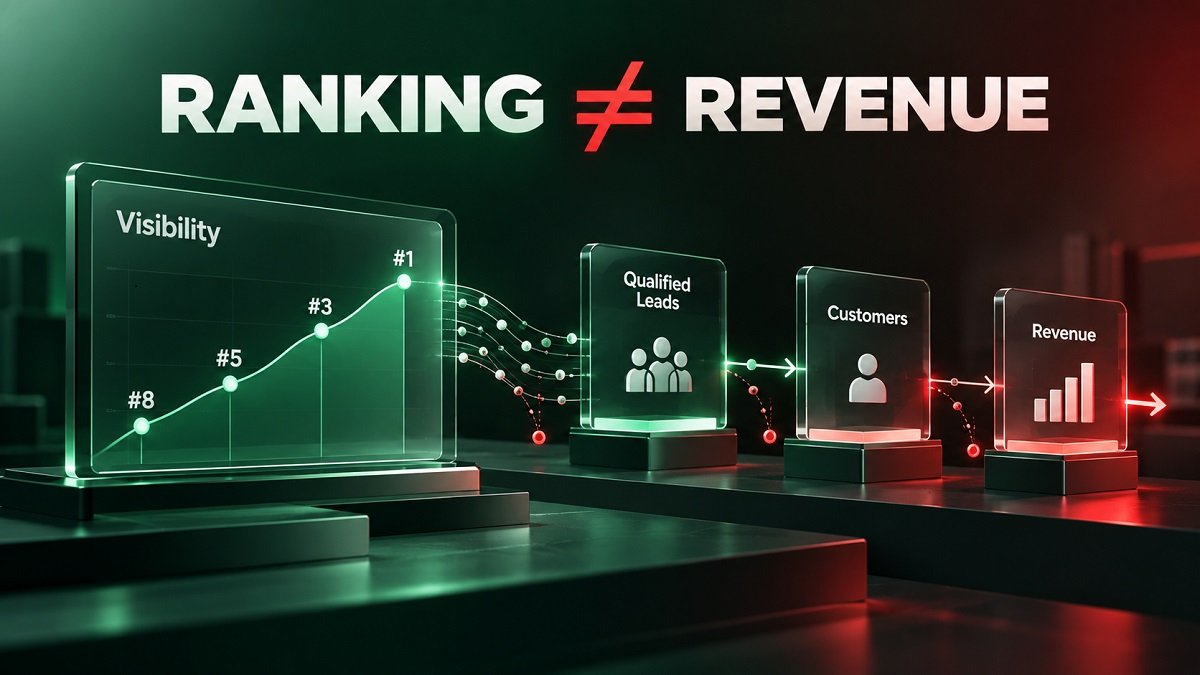
These metrics can provide more useful information than focusing on a single ranking position.
Avoid Over-Optimization
Local SEO should focus on relevance and user experience.
Avoid practices such as:
-
Keyword stuffing
-
Fake reviews
-
Duplicate location pages
-
Hidden keywords
-
Unnatural links
-
Misleading business information
These tactics can create a poor user experience and may work against your long-term search strategy.
Instead, make your website and business profile clear, accurate, and useful.
A Practical Google Local Services Ranking Checklist
Use this checklist to review your local search presence:
Google Business Profile
-
Complete your business profile
-
Choose the most accurate business category
-
Keep business hours updated
-
Add relevant services
-
Upload high-quality business photos
-
Keep contact information accurate
Website
-
Clearly describe your services
-
Include accurate location information
-
Create helpful local content
-
Make your website mobile-friendly
-
Improve page speed and usability
-
Add clear contact options
Reviews
-
Encourage genuine customer reviews
-
Respond professionally to reviews
-
Monitor customer feedback
-
Never purchase or create fake reviews
Online Presence
-
Keep business information consistent
-
Build relevant local relationships
-
Earn quality links and mentions
-
Maintain active and accurate business profiles
Measurement
-
Track local visibility
-
Monitor website traffic
-
Measure calls and inquiries
-
Review changes over time
-
Compare performance across service areas
As we wrap things up
Improving Google Local Services Ranking is not about finding one secret ranking trick.
Local visibility depends on multiple signals working together.
Relevance helps Google understand whether your business matches a search. Distance helps connect customers with nearby businesses. Prominence helps Google understand the broader visibility and recognition of a business.
A strong local SEO strategy brings these elements together with accurate business information, useful website content, genuine customer reviews, relevant links, and consistent optimization.
Instead of focusing only on rankings, businesses should focus on becoming more relevant, trustworthy, and useful to local customers.
That approach can create a stronger foundation for long-term local search visibility and better customer discovery.