A Step-by-Step Guide to Google Local Business Ranking New York
When people search for local businesses in New York, Google is often the first place they turn. For business owners, improving Google Local Business Ranking New York can help your company appear in front of potential customers who are actively searching for your products or services. With the right local SEO strategy, an optimized Google Business Profile, positive reviews, and useful website content, you can improve your local visibility and attract more customers.
For business owners, this creates a major opportunity—but simply having a Google Business Profile is not enough. You need to understand how local search works and take the right steps to improve your visibility.
If you want to improve your Google Local Business Ranking New York, this guide will walk you through the most important steps.
What Is Google Local Business Ranking?
Google local business ranking refers to how prominently a business appears in Google's local search results when people search for products or services in a specific area.
For example, a person might search:
-
“best Italian restaurant near me”
-
“plumber in Brooklyn”
-
“New York personal injury lawyer”
-
“coffee shop in Manhattan”
-
“SEO agency near me”
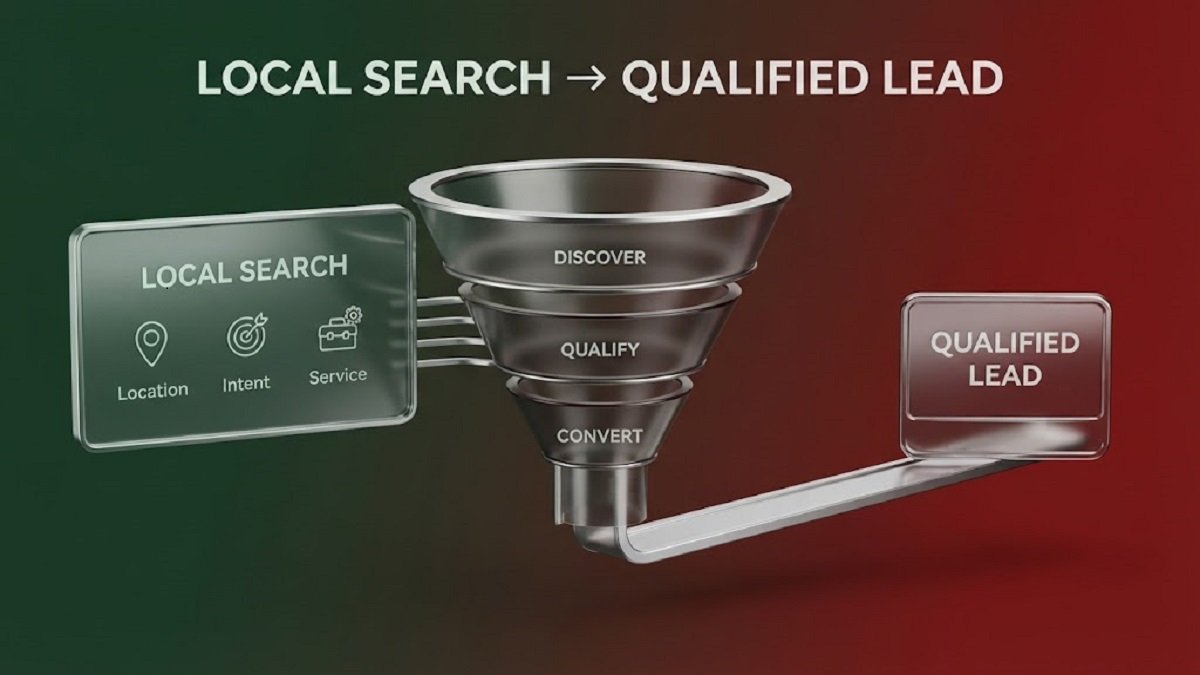
Google analyzes several factors to determine which businesses should appear in the local results.
The goal is to show searchers businesses that are relevant, trustworthy, and geographically appropriate for their search.
This is why local SEO is so important for businesses that serve customers in a specific city or area.
Step 1: Create and Optimize Your Google Business Profile
Your Google Business Profile is one of the most important parts of your local search presence.
Start by claiming and verifying your profile.
Then make sure your information is complete and accurate.
Your profile should include:
-
Business name
-
Primary business category
-
Address
-
Phone number
-
Website
-
Business hours
-
Business description
-
Services
-
Products, where applicable
-
Business photos
-
Appointment or booking information, if relevant
Avoid adding unnecessary keywords to your business name. Your business name should match the real-world name of your company.
A complete and accurate profile makes it easier for Google and potential customers to understand what your business offers.
Step 2: Choose the Right Primary Category
Your primary Google Business Profile category tells Google what your business primarily does.
Choosing the right category is important because it can influence which searches your business is considered relevant for.
For example, if you operate a dental practice, choosing “Dentist” as your primary category is generally more appropriate than selecting a broad category such as “Healthcare.”
You can also add relevant secondary categories when they accurately describe your business.
Tip: Don't choose categories simply because they have high search volume. Choose categories that genuinely represent your business.
Step 3: Build a Strong Local SEO Strategy
A successful local SEO strategy goes beyond Google Business Profile optimization.
Your website should also clearly communicate:
-
What your business does
-
Where your business operates
-
Who your services are for
-
Why customers should trust you
If your company serves New York customers, create useful content that naturally addresses the locations and services you actually serve.
For example, instead of repeatedly using a keyword like:
“best local SEO company New York”
you could create helpful content such as:
-
Local SEO Tips for New York Businesses
-
How Small Businesses Can Get More Google Visibility
-
A Guide to Local Search in New York
-
How to Optimize Your Google Business Profile
The content should be written for people first and search engines second.
Step 4: Create Location-Relevant Website Pages
If your business serves multiple areas, location pages can help explain your services in each market.
For example, a New York business might serve:
-
Manhattan
-
Brooklyn
-
Queens
-
The Bronx
-
Staten Island
Instead of creating thin pages that simply replace one city name with another, create genuinely useful pages.
A strong location page can include:
-
Services available in that area
-
Local customer needs
-
Service information
-
Frequently asked questions
-
Relevant business photos
-
Customer testimonials
-
Directions or service areas
-
Helpful local information
The purpose is to provide useful information—not simply insert keywords.
Step 5: Use Relevant Local Keywords
Keyword research helps you understand what potential customers are searching for.
Your primary keyword for this article is:
Google Local Business Ranking New York
Related keywords may include:
-
local SEO New York
-
Google Business Profile optimization
-
local search ranking
-
New York local businesses
-
local search marketing
-
Google Maps ranking
-
local SEO strategy
-
improve local search visibility
Use keywords naturally throughout your website and content.
Avoid keyword stuffing.
Google's systems are designed to understand topics and context, so repeating the same phrase excessively can make your content harder to read and may provide little value.
Step 6: Earn High-Quality Customer Reviews
Reviews are extremely important for local businesses.
Think about your own behavior when choosing a restaurant, contractor, doctor, or other service provider. You probably look at reviews before making a decision.
Encourage satisfied customers to leave honest reviews about their experience.
You can make the process easier by:
-
Asking customers after a successful interaction
-
Providing a direct review link
-
Sending a follow-up email
-
Including a review request in your customer communication
-
Training your team to request feedback appropriately
Most importantly, never buy fake reviews.
Fake or manipulated reviews can damage your reputation and create problems for your business.
Respond to genuine reviews professionally—both positive and negative.
Step 7: Keep Your Business Information Consistent
Your business information should be consistent across the web.
Pay particular attention to:
-
Business name
-
Address
-
Phone number
-
Website URL
These details are sometimes referred to as NAP information—Name, Address, and Phone number.
If your business information is outdated or inconsistent across important online directories, it can create confusion for customers and search engines.
Whenever your business moves, changes its phone number, or updates other important information, review your major online listings and update them.
Step 8: Build Local Citations
A local citation is an online mention of your business, often including your business name, address, and phone number.
Citations can appear on:
-
Business directories
-
Industry websites
-
Local organizations
-
Chamber of commerce websites
-
Review platforms
-
Local publications
The focus should be on quality and relevance, not collecting hundreds of random listings.
A few trustworthy and relevant citations are generally more valuable than a large number of low-quality directory listings.
Step 9: Earn Relevant Local Backlinks
Backlinks are links from other websites to your website.
For local businesses, links from relevant and trusted local websites can be particularly useful.
You might earn local links through:
-
Community sponsorships
-
Local events
-
Business organizations
-
Industry associations
-
Local news coverage
-
Partnerships
-
Community projects
-
Helpful local resources
For example, a New York business participating in a local community event may have an opportunity to receive coverage or a link from the organization's website.
The best backlinks are earned naturally because your business or content is genuinely useful.
Step 10: Make Your Website Mobile-Friendly
Many local searches happen on smartphones.
Someone standing in Manhattan looking for a nearby restaurant may not open a desktop computer. They may search directly from their phone.
Your website should therefore:
-
Load quickly
-
Work properly on mobile devices
-
Have easy-to-read text
-
Use simple navigation
-
Make phone numbers easy to tap
-
Make contact information easy to find
-
Provide a smooth user experience
A frustrating mobile experience can cause potential customers to leave before contacting your business.
Step 11: Improve Your Website Speed and Technical SEO
Technical SEO helps search engines crawl and understand your website while also improving the user experience.
Pay attention to:
-
Page loading speed
-
Mobile usability
-
Broken links
-
HTTPS security
-
Proper page titles
-
Meta descriptions
-
Heading structure
-
Image optimization
-
Internal links
-
XML sitemap
-
Indexing issues
You don't need a complicated website to compete locally.
A fast, clear, technically sound website can provide a much better foundation for local SEO.
Step 12: Create Helpful Content for Local Customers
Content marketing can support your local search strategy.
Instead of publishing articles simply to target keywords, answer questions your customers actually have.
For example, a New York home improvement company could publish:
-
“How Much Does a Bathroom Remodel Cost in New York?”
-
“How to Prepare Your Home for a New York Winter”
-
“Questions to Ask Before Hiring a Local Contractor”
-
“Common Plumbing Problems in Older New York Homes”
This type of content can attract relevant visitors and demonstrate your expertise.
Over time, useful content can also generate links, shares, referrals, and new customers.
Step 13: Add Local Business Schema Markup
Schema markup provides structured information that can help search engines better understand your business.
Depending on your business, you may be able to provide information such as:
-
Business name
-
Address
-
Phone number
-
Website
-
Opening hours
-
Services
-
Reviews
-
Geographic information
Schema is not a magic shortcut to higher rankings, but it can help search engines interpret important business information more clearly.
Make sure your structured data accurately represents the information visible on your website.
Step 14: Track Your Local Search Performance
You cannot improve what you don't measure.
Regularly monitor your local search performance and look for changes in:
-
Google Business Profile interactions
-
Website traffic
-
Phone calls
-
Direction requests
-
Search queries
-
Organic rankings
-
Leads
-
Conversions
-
Customer reviews
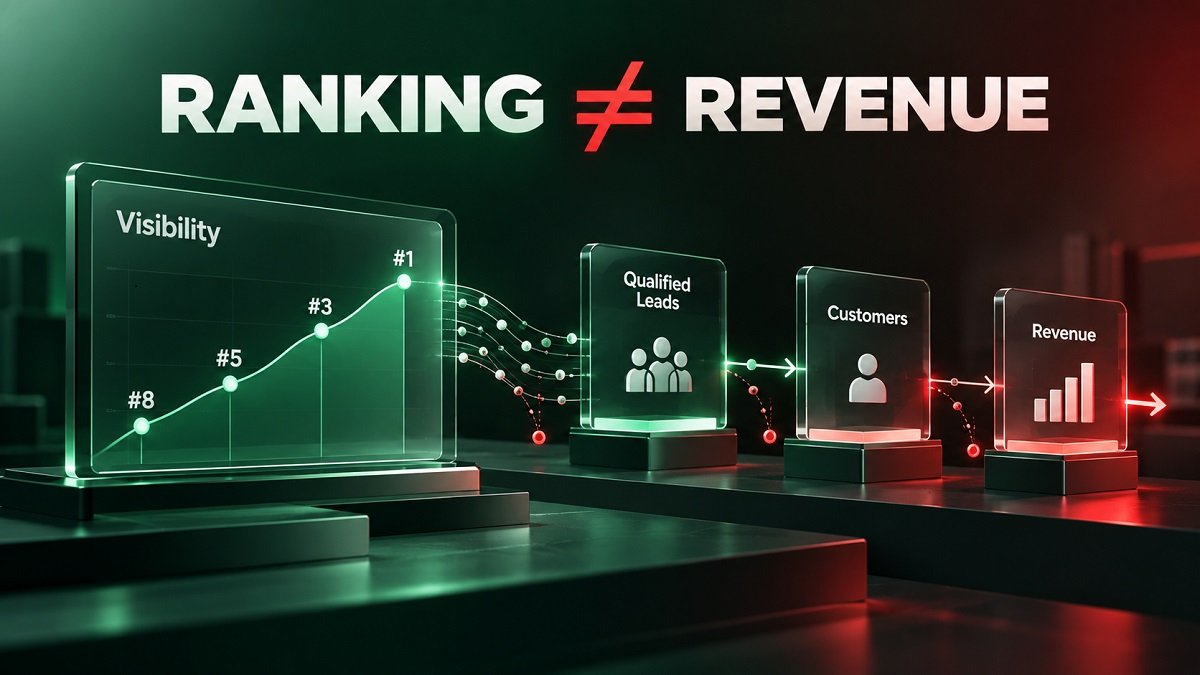
It's also important to track business results—not just rankings.
A ranking increase is useful, but more qualified customers and leads are the real goal.
Step 15: Keep Your Google Business Profile Active
Local SEO is not a one-time project.
Continue updating your Google Business Profile when appropriate.
You can:
-
Add new photos
-
Update business information
-
Add or update services
-
Publish relevant updates
-
Respond to customer reviews
-
Answer customer questions
-
Keep your hours accurate
An active and accurate profile gives potential customers current information when they are ready to make a decision.
What Really Determines Google Local Business Ranking?
Google generally considers three major concepts when determining local results:
1. Relevance
How well does your business match what the person is searching for?
Your business category, services, website content, and profile information all help communicate relevance.
2. Distance
How close is your business to the searcher or the location associated with the search?
For example, someone searching for a coffee shop in Brooklyn may see different results from someone making the same search in Manhattan.
3. Prominence
How well-known and trusted is your business?
Factors such as reviews, links, mentions, and your overall online presence can contribute to your business's prominence.
These factors work together, which is why there is no single trick that guarantees a top local ranking.
Common Local SEO Mistakes to Avoid
Many businesses unintentionally hurt their local search performance by taking shortcuts.
Avoid these common mistakes:
Keyword Stuffing
Don't repeat “Google Local Business Ranking New York” unnaturally throughout your content.
Fake Reviews
Never create or purchase fake customer reviews.
Duplicate Location Pages
Don't create dozens of nearly identical pages with only the city name changed.
Inaccurate Business Information
Keep your address, phone number, hours, and other important details accurate.
Ignoring Negative Reviews
Respond professionally instead of ignoring legitimate customer concerns.
Buying Low-Quality Links
Large quantities of irrelevant or suspicious backlinks can create more problems than benefits.
Neglecting Your Website
Your Google Business Profile and website should work together as part of one local search strategy.
How Long Does It Take to Improve Local Rankings?
There is no guaranteed timeline for improving local rankings.
Results can depend on factors such as:
-
Your industry
-
Competition
-
Location
-
Website quality
-
Existing online authority
-
Review profile
-
Local competition
-
SEO history
-
Quality of your optimization
Some businesses may notice improvements relatively quickly, while competitive markets can require consistent effort over a much longer period.
The key is to focus on sustainable improvements rather than trying to find a short.
What This Means for You
Improving your Google Local Business Ranking New York requires more than simply creating a Google Business Profile.
You need a complete local SEO strategy that combines an accurate business profile, useful website content, strong customer reviews, consistent business information, relevant local links, technical SEO, and a great customer experience.
Most importantly, remember that local SEO is about connecting your business with people who are actively looking for what you offer.
At Kolom Academy, we believe effective SEO should be practical, user-focused, and built for long-term growth. By following the steps in this guide and consistently improving your online presence, your business can build stronger local visibility and create more opportunities to reach customers in New York.
Start with the basics, stay consistent, and focus on providing real value to your local customers.
I can also create a professional 1200×627 LinkedIn cover image for this blog with a clean New York + Google local SEO theme.